

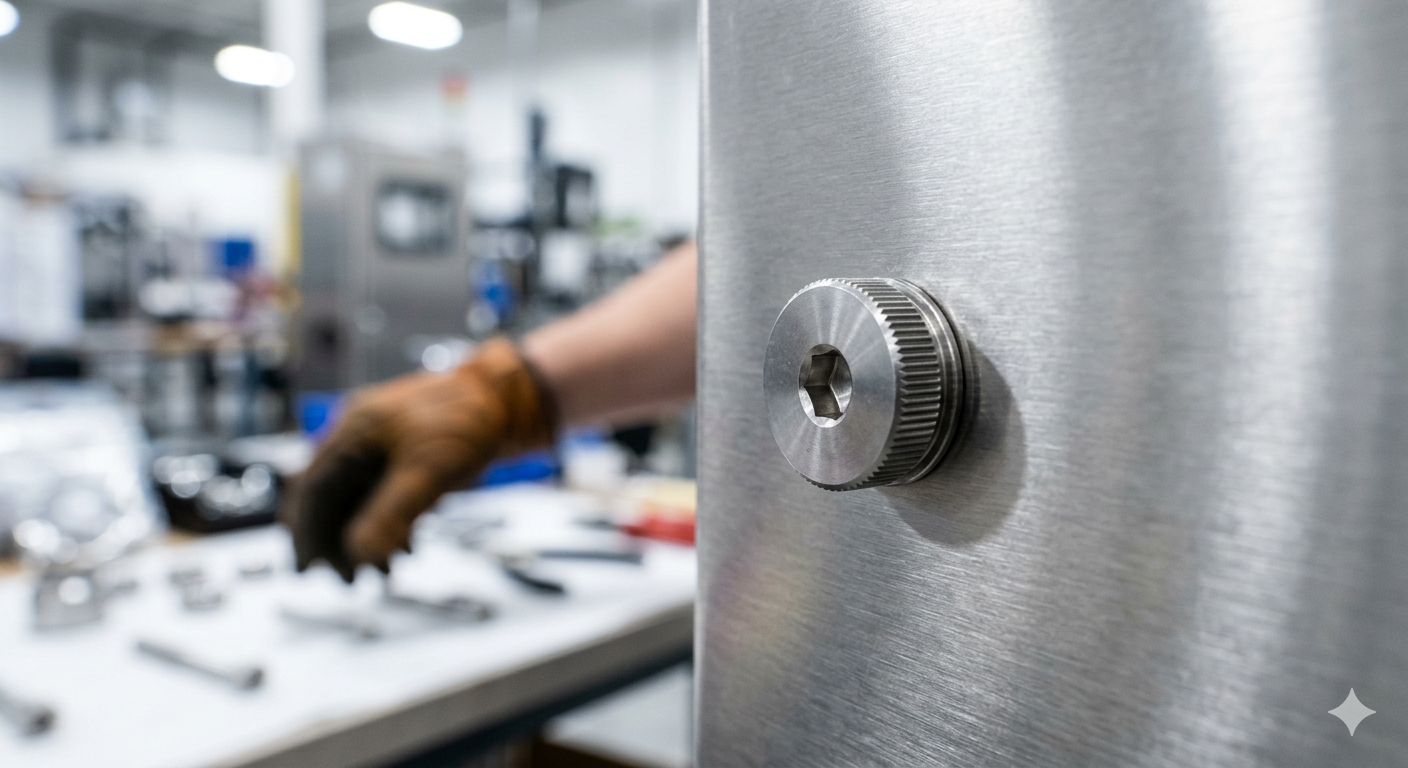
Introduction – The Complaint Most OEMs Receive Eventually
An electrical enclosure manufacturer received a service complaint from a customer.
The issue sounded minor.
The customer reported:
“The panel door makes noise every time nearby machinery starts.”
No electrical fault was found.
No hinge damage was visible.
The door lock was functioning correctly.
However, when engineers inspected the enclosure, they discovered something unexpected.
The problem wasn’t the door.
The problem wasn’t the hinge.
The problem was a few loose fasteners that nobody thought to inspect.
Twelve months earlier, the enclosure had left the factory in perfect condition.
Today, the panel door rattled every time vibration increased.
This issue is extremely common in:
- Electrical Enclosures
- Control Panels
- LT Panels
- MCC Panels
- PCC Panels
- Telecom Cabinets
- Battery Cabinets
- EV Charger Cabinets
And in many cases, the root cause is hidden in plain sight.
Quick Answer
Why do panel doors start rattling after 12 months?
Panel doors typically start rattling because hinge screws, latch fasteners, captive screws, or mounting hardware gradually lose preload due to vibration, thermal expansion, repeated opening cycles, or improper fastening methods.
What Is Panel Door Rattling?
Panel door rattling occurs when movement develops between:
- Door and hinge
- Door and frame
- Lock and mounting surface
- Fastener and enclosure wall
As preload decreases, tiny movements begin.
These movements generate:
- Noise
- Vibration
- Wear
- Alignment issues
Over time, the problem becomes noticeable.
Common Fasteners Used in Panel Doors
Most enclosure manufacturers use:
- M4 Machine Screws
- M5 Machine Screws
- Captive Screws
- Self-Tapping Screws
- Thread Forming Screws
- Hex Socket Screws
- Rivet Nuts
- Cage Nuts
- Spring Washers
- Serrated Lock Washers
- Nylon Lock Nuts
These fasteners are found in:
- Door Hinges
- Door Handles
- Locks
- Internal Mounting Plates
- Cable Management Systems
Why Panel Door Fasteners Fail Over Time
Many engineers assume a fastener remains tight forever.
Unfortunately, real operating conditions are different.
Every enclosure experiences:
- Vibration
- Thermal cycling
- Repeated opening and closing
- Transportation shock
- Environmental changes
Each cycle slowly affects clamp force.
5 Reasons Panel Doors Start Rattling
1. Hinge Screw Preload Loss
This is the most common cause.
When hinge screws lose preload:
- Door movement increases
- Noise begins
- Wear accelerates
A loose M5 machine screw can eventually create visible hinge play.
2. Repeated Door Opening Cycles
Control panels are opened hundreds or thousands of times during their service life.
Each cycle creates:
- Micro movement
- Stress on fasteners
- Progressive loosening
This is especially common in maintenance-intensive environments.
3. Vibration from Nearby Equipment
Panel doors are often exposed to vibration from:
- Motors
- Compressors
- Pumps
- Generators
- Transformers
- Cooling fans
Vibration gradually reduces preload and allows fasteners to rotate loose.
4. Thermal Expansion
Outdoor enclosures experience significant temperature variation.
During daytime:
- Metal expands
At night:
- Metal contracts
After hundreds of cycles, preload can decrease.
This commonly affects:
- Outdoor electrical enclosures
- Telecom cabinets
- EV charger cabinets
5. Incorrect Fastener Selection
Many manufacturers use:
❌ Standard machine screws only
Without:
- Spring Washers
- Serrated Washers
- Captive Screw Systems
- Thread-Locking Compounds
As a result, loosening occurs faster.
Why Captive Screws Are Becoming Popular
Many enclosure OEMs are replacing traditional screws with captive screws.
Benefits include:
✔ Reduced loosening
✔ Better maintenance
✔ No lost hardware
✔ Faster servicing
✔ Improved reliability
M5 Machine Screw vs Captive Screw
| Parameter | M5 Machine Screw | Captive Screw |
| Serviceability | Medium | Excellent |
| Vibration Resistance | Medium | High |
| Hardware Loss Risk | High | Very Low |
| Maintenance Speed | Medium | High |
| OEM Adoption | Common | Growing |
Many enclosure manufacturers now standardize captive screw systems for service doors.
Real Failure Example
A telecom cabinet manufacturer investigated multiple warranty complaints.
Customer observations:
- Door vibration
- Metallic rattling noise
- Poor door alignment
Investigation found:
- M5 hinge screws
- No locking washer
- Continuous vibration from cooling equipment
Corrective action:
- Installed serrated lock washers
- Increased torque control
- Standardized captive screws
Complaint frequency dropped significantly.
Simple Fastener Calculation Example
Assume:
Door Weight:
18 kg
Load:
18 × 9.81
= 176.58 N
Using:
4 Hinge Fasteners
Load Per Fastener:
176.58 ÷ 4
= 44.1 N
Now include:
- Vibration
- Door opening cycles
- Dynamic loading
Actual design load becomes much higher.
This is why preload and locking methods matter.
Industries Most Affected
This issue frequently affects:
- Electrical Enclosure Manufacturers
- Control Panel Manufacturers
- MCC Panel Manufacturers
- PCC Panel Manufacturers
- Telecom Cabinet Manufacturers
- Battery Cabinet Manufacturers
- EV Charger Manufacturers
- Outdoor Enclosure Manufacturers
- Industrial Cabinet Manufacturers
Inspection Checklist
Before dispatch:
✔ Check hinge screw torque
✔ Inspect captive screw systems
✔ Verify locking washers
✔ Check latch hardware
✔ Verify rivet nut installation
✔ Inspect door alignment
✔ Review vibration exposure
✔ Perform door cycle testing
Typical Fastener Consumption
A medium-sized enclosure manufacturer may consume annually:
- 200,000+ M4 Machine Screws
- 150,000+ M5 Machine Screws
- 50,000+ Captive Screws
- 50,000+ Rivet Nuts
- 100,000+ Spring Washers
- 50,000+ Serrated Washers
This is why fastener standardization is becoming increasingly important.
Why OEMs Standardize Panel Door Hardware
Benefits include:
✔ Reduced warranty claims
✔ Faster assembly
✔ Easier maintenance
✔ Lower inventory
✔ Better reliability
✔ Improved customer satisfaction
Key Takeaways
- Panel door rattling is usually caused by fastener preload loss.
- Hinge screws are the most common failure point.
- Vibration and thermal cycling accelerate loosening.
- Captive screws improve reliability and serviceability.
- Locking washers help maintain preload.
- Standardized enclosure hardware reduces field failures.
FAQ
Why do panel doors start rattling after a year?
The most common causes are vibration, hinge screw loosening, thermal expansion, and repeated opening cycles that gradually reduce clamp force.
Which fasteners are commonly used in panel doors?
M4 machine screws, M5 machine screws, captive screws, rivet nuts, spring washers, and serrated washers are commonly used.
Are captive screws better for enclosure doors?
Yes. Captive screws reduce lost hardware, improve maintenance efficiency, and generally perform better in serviceable applications.
Can vibration loosen hinge screws?
Yes. Continuous vibration can reduce preload and eventually cause screws to loosen if proper locking methods are not used.
Why are spring washers used on panel doors?
Spring washers help maintain preload and reduce loosening caused by vibration and thermal cycling.
How often should enclosure door hardware be inspected?
Critical enclosures should be inspected periodically, especially in high-vibration environments and outdoor installations.
Which industries experience this problem most often?
Electrical panel manufacturers, telecom cabinet manufacturers, battery cabinet manufacturers, EV charger manufacturers, and industrial enclosure OEMs commonly encounter this issue.
How can OEMs prevent panel door rattling?
By using proper torque control, captive screws, locking washers, standardized hardware, and periodic inspection procedures.
Conclusion
Panel door rattling is rarely a door problem.
It is usually a fastener problem.
A loose M5 machine screw, missing serrated washer, poor preload, or inadequate fastening system can gradually create vibration, noise, and customer complaints.
For electrical enclosure manufacturers, control panel OEMs, telecom cabinet manufacturers, battery cabinet manufacturers, and EV charger manufacturers, proper panel door fastener selection is critical for long-term reliability.