

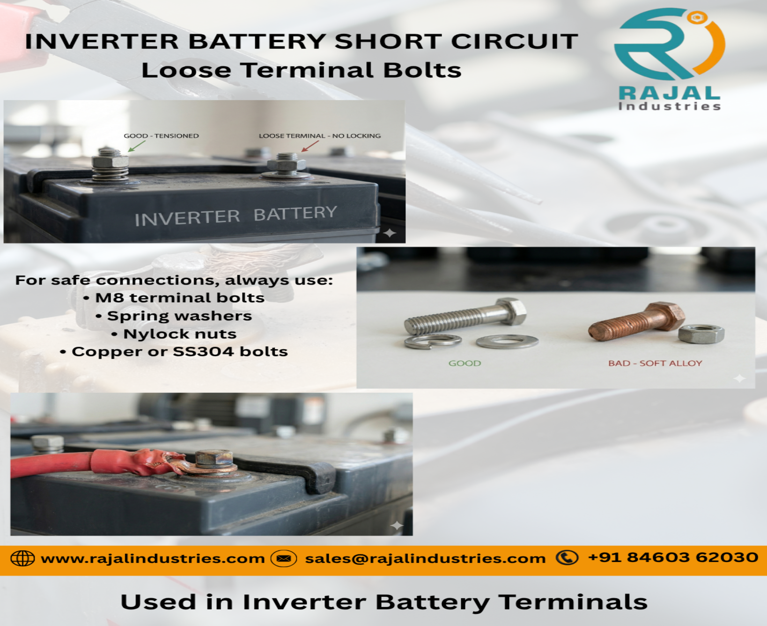
Short Circuit from Loose Terminal Bolts in Inverter Batteries? This Is What Is Failing on Your Site
Inverter batteries depend on tight electrical connections to safely carry current. The terminals are secured using M8 terminal bolts that must stay tight under vibration, heat, and load.
Across battery rooms and solar backup systems, engineers are now finding burn marks, melted insulation, sparking, voltage drops, and unexpected inverter shutdowns. When inspected, the root cause is often the same:
The terminal bolt is loose.
This is not a wiring issue.
It is a terminal fastener failure.
When a terminal bolt loosens, resistance increases. High resistance creates heat. Heat damages insulation and leads to short circuits and fire risk.
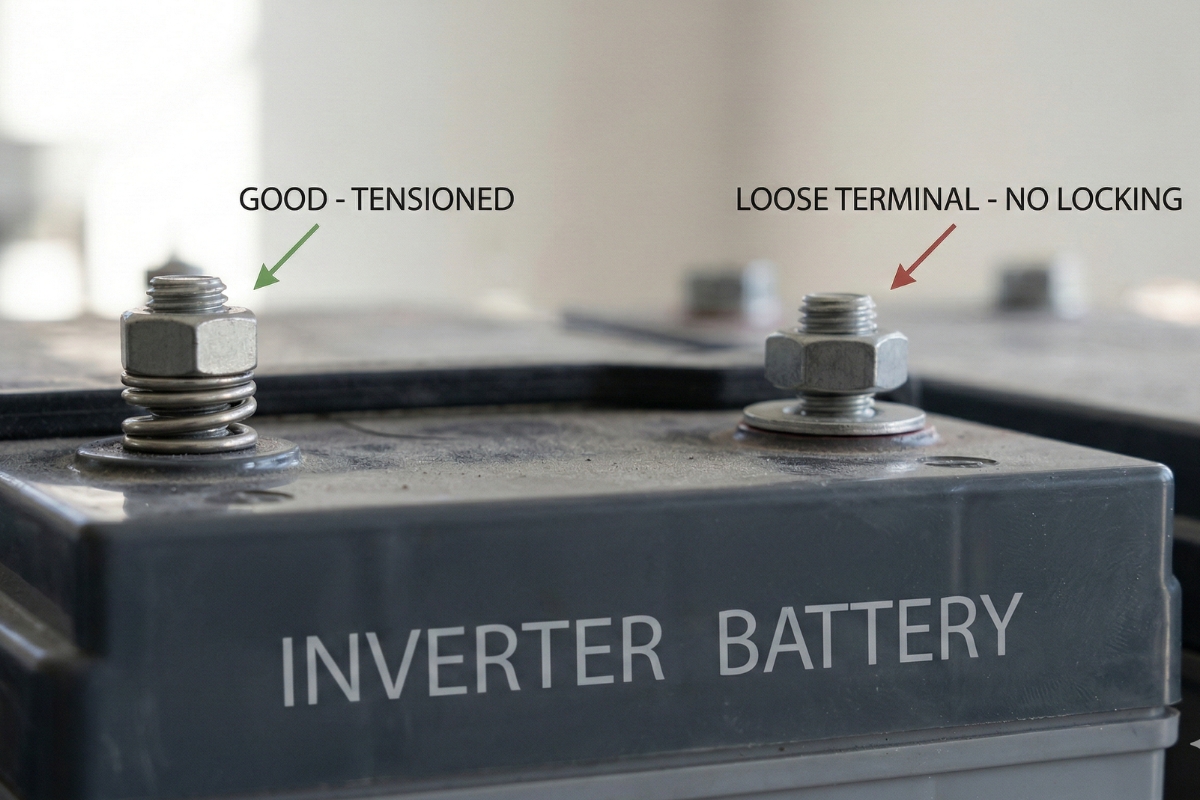
How This Problem Appears on Site
Hot terminal points
Black burn marks
Melted cable lugs
Spark marks
Battery alarms
7 Causes of Terminal Bolt Failure
1) No Spring Washer
No tension under vibration.
2) Plain Nuts Used
No locking feature.
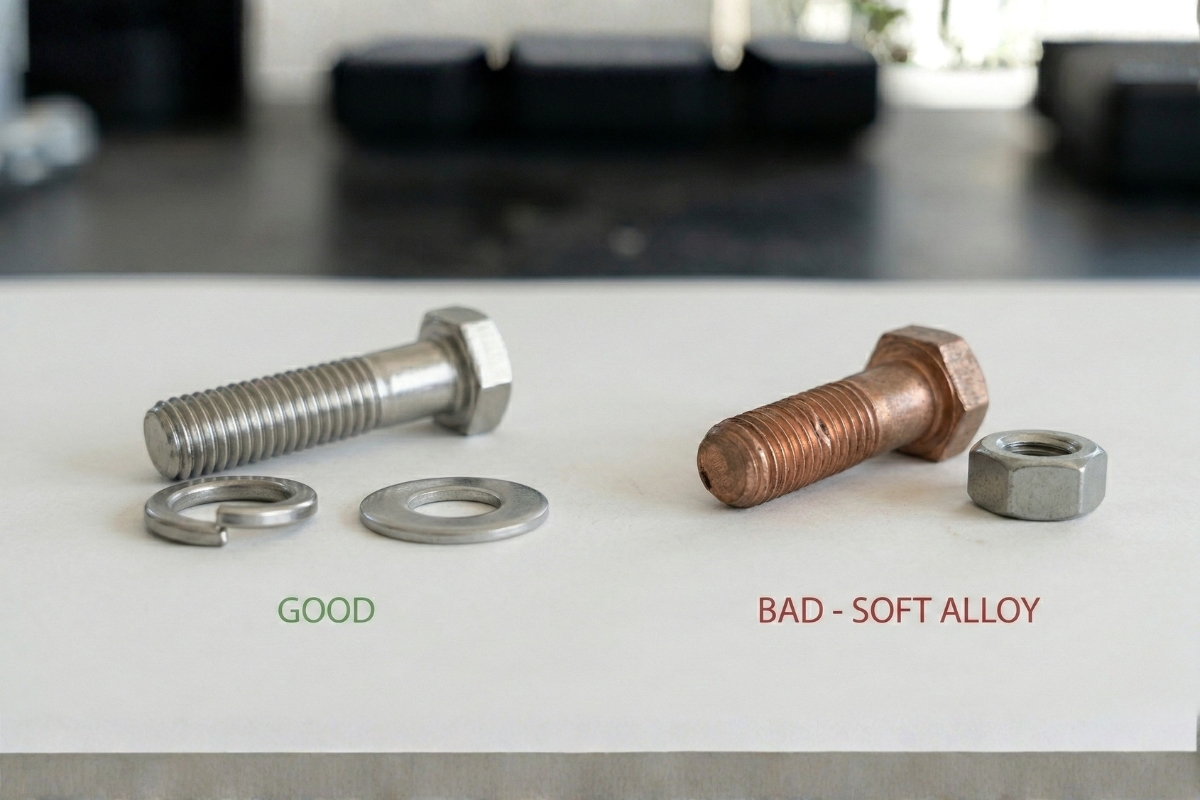
3) Copper Soft Bolts
Threads deform easily.
4) Overheating
Heat relaxes tension.
5) Corrosion
Oxidation increases resistance.
6) Wrong Torque
Too loose or too tight.
7) Reused Hardware
Worn threads.
Technical Failures Seen in the Field
| Issue | Result |
| Loose terminals | High resistance |
| Burn marks | Fire risk |
| Voltage drop | System faults |
| Melted lugs | Cable damage |
Correct Fastener Setup for Battery Terminals
Size: M8
Options: Copper bolts, SS304 bolts
Hardware: Spring washers, nylock nuts
How to Prevent Short Circuits
Use spring washers
Add nylock nuts
Apply correct torque
Inspect quarterly
Loose terminal bolts are one of the most dangerous hidden risks in inverter batteries.
Using M8 terminal bolts, copper or SS304 fasteners, spring washers, and nylock nuts ensures stable electrical connections and prevents short circuits and overheating.
If your terminals are warm or discolored, fastener failure has already started.
Engineering Truth
Electricity fails where joints loosen.
External References
IEC Electrical Safety – https://www.iec.ch
Battery Safety – https://www.iea.org