

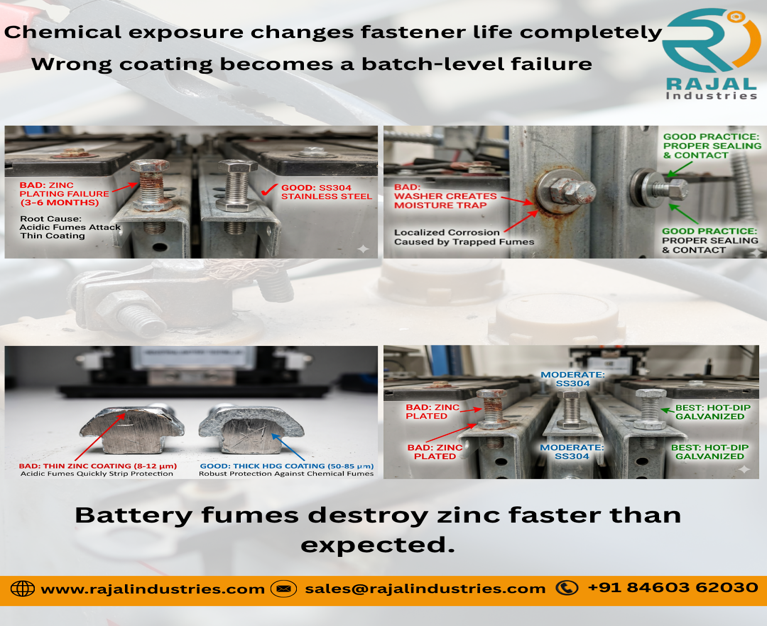
Introduction – Real Site Observation
In an outdoor battery cabinet inspection, internal components showed condensation and corrosion. The enclosure rating was designed for protection—but water still entered.
Failure point:
👉 M5 panel screws and fixing points
👉 Uneven tightening + stripped threads
👉 Gasket compression loss
Even small gaps around panel fasteners can allow moisture ingress, especially in humid or outdoor conditions.
In OEM cabinet production, these screws are used in 50,000–200,000 pcs batches, where consistency directly affects enclosure performance.
Quick Answer
What causes moisture entry in battery cabinets?
Moisture enters when panel fasteners lose preload, threads strip, or sealing pressure is inconsistent. Proper M5 fastener selection and controlled tightening are required to maintain enclosure integrity.
What are Battery Cabinet Fasteners?
Battery cabinet fasteners are screws, captive fasteners, and inserts used to secure panel doors and covers while maintaining sealing pressure against environmental ingress.
5 Reasons Battery Cabinet Screws Fail
- Over-tightening causing thread stripping
- Under-tightening leading to loose panels
- Using low-quality or incorrect screws
- No captive or controlled fastening system
- Corrosion weakening screw threads
Why Small Fasteners Create Big Problems
M5 screws are small—but critical.
They control:
👉 Panel alignment
👉 Gasket compression
👉 Sealing integrity
If preload is lost:
- Gasket pressure drops
- Micro gaps form
- Moisture enters
Role of Gasket Compression
Panel sealing depends on:
👉 Uniform compression
If screws are uneven:
❌ Some areas over-tightened
❌ Some areas loose
Result:
👉 Uneven sealing → moisture ingress
Torque Consideration for M5 Screws
| Fastener Type | Torque Range |
| M5 Steel Screw | 4–6 Nm |
| M5 Stainless Screw | 3–5 Nm |
Important
- Over-torque → thread damage
- Under-torque → sealing failure
- Always use torque-controlled tools
Correct Fastener Solutions
1. M5 Machine Screw (Standard)
✔ Used for panel mounting
✔ Requires proper torque control
2. Captive Screw (Recommended)
✔ Prevents screw loss
✔ Ensures consistent positioning
✔ Ideal for maintenance access panels
3. Rivet Nut (Thread Insert)
✔ Provides strong internal thread in sheet metal
✔ Prevents thread stripping
✔ Improves durability
4. Stainless Steel Screw (SS304)
✔ Corrosion resistance
✔ Suitable for humid environments
✔ Maintains long-term performance
Comparison – Fastener Types
| Type | Strength | Corrosion Resistance | Application |
| M5 Machine Screw | Medium | Low–Medium | Standard panels |
| Captive Screw | Medium | Medium | Maintenance panels |
| Rivet Nut + Screw | High | Medium | Sheet metal |
| SS304 Screw | Medium | High | Outdoor / humid |
Typical OEM Production Scenario
In battery cabinet manufacturing:
- Each cabinet uses multiple M5 fasteners
- Typical requirement: 50,000–200,000 pcs per batch
- Inconsistent tightening leads to sealing issues
OEMs standardize:
✔ Fastener type
✔ Torque values
✔ Assembly process
Common Assembly Mistakes
- Manual tightening without torque control
- Using self-tapping screws repeatedly
- Skipping captive systems
- Using carbon steel screws in humid areas
👉 These lead to early sealing failure
When to Use Each Solution
✔ Use captive screws → serviceable panels
✔ Use rivet nuts → thin sheet metal
✔ Use SS304 screws → moisture-prone areas
✔ Use machine screws → controlled assembly
Key Takeaways
• Small screws control panel sealing performance
• Uneven torque leads to moisture ingress
• Captive screws improve reliability
• Rivet nuts prevent thread failure
• OEM production requires controlled fastening
FAQ
Q1: Why do battery cabinets allow moisture entry?
Moisture enters due to loose or improperly tightened panel screws, leading to loss of gasket compression.
Q2: What is the best screw for battery cabinet panels?
M5 stainless steel screws with proper torque control are commonly used for reliable sealing.
Q3: Are captive screws better than standard screws?
Yes. Captive screws improve consistency and prevent loss during maintenance.
Q4: Why do panel threads fail in cabinets?
Thread failure occurs due to over-tightening or repeated use, especially in sheet metal.
Q5: Do rivet nuts improve panel fastening?
Yes. Rivet nuts provide stronger threads and reduce stripping in thin sheet panels.
Conclusion
Battery cabinet screw failure is not just a fastening issue—it directly impacts environmental protection and system reliability.
In high-volume manufacturing, small inconsistencies lead to large-scale moisture ingress problems.
👉 We work with OEMs and production-scale orders (MOQ 50,000+ pcs) for battery and enclosure applications.
Facing panel sealing issues or designing battery cabinets for production?
Share your drawing or production requirement (50,000+ pcs), and our engineering team will recommend the correct panel fastening solution.
References
- Enclosure sealing practices
- ISO fastener torque guidelines
- Industrial panel design standards