

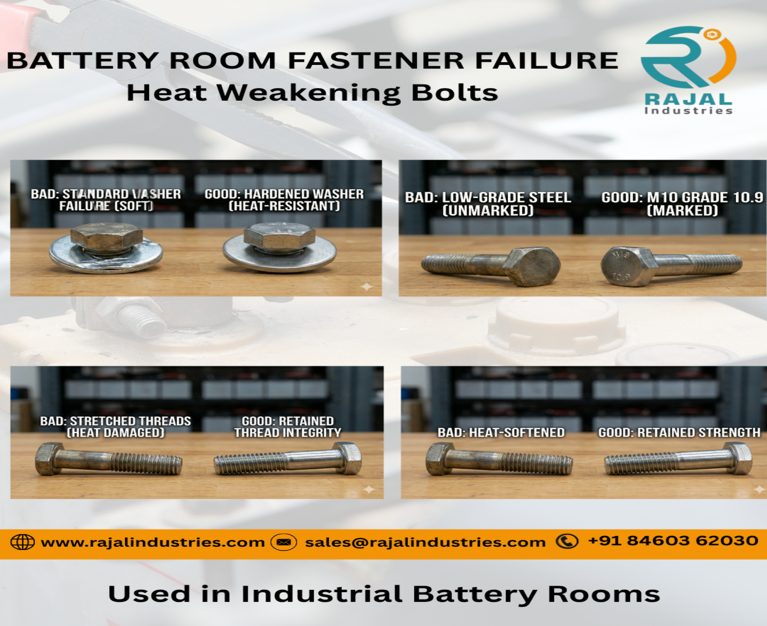
Heat Weakening Bolts in Industrial Battery Rooms? This Is What Is Failing on Your Site
Industrial battery rooms operate under constant heat from inverters, chargers, and battery discharge. Temperatures often rise above safe limits, especially in poorly ventilated rooms.
Across many battery plants, engineers are now finding softened bolts, loosened joints, stretched threads, and repeated retightening. The structure appears intact, but the fasteners have already lost strength.
This is not an electrical problem.
It is a thermal material failure.
Heat reduces the yield strength of steel. When standard bolts are exposed to high temperature for long periods, they slowly lose clamping force.
How This Problem Appears on Site
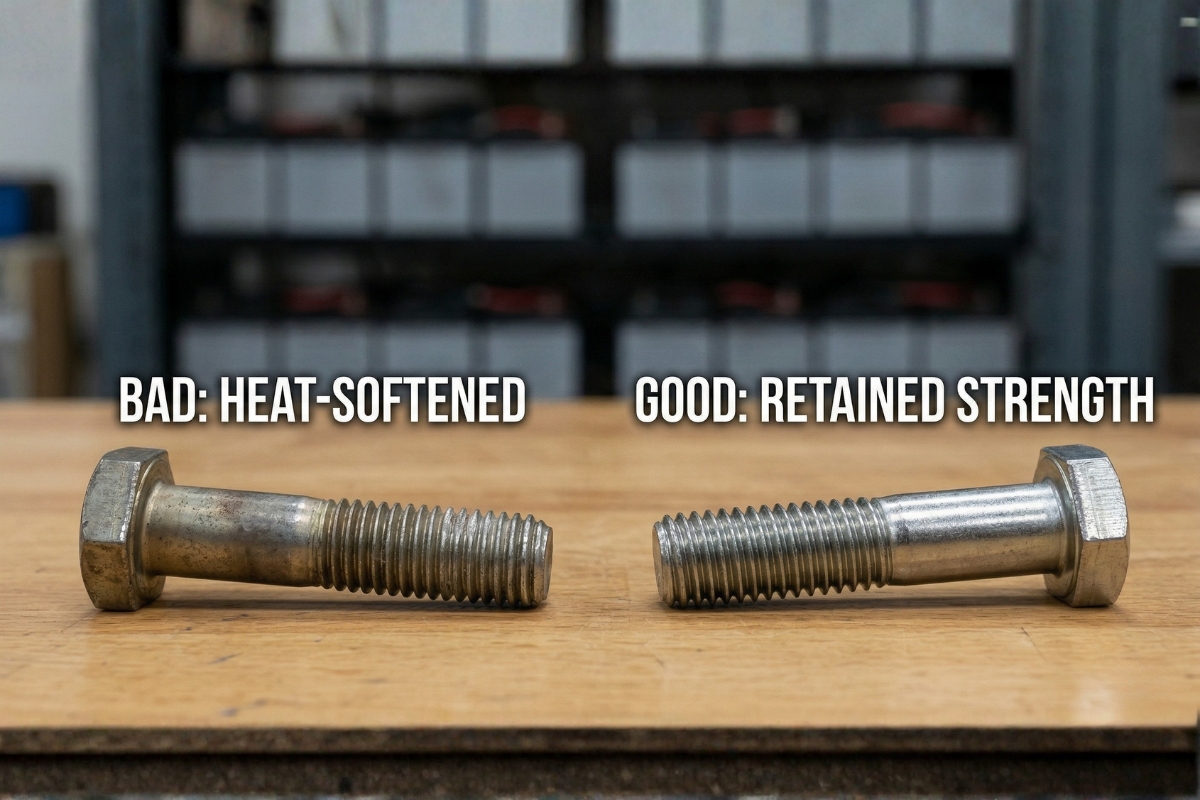
Bolts difficult to retighten
Threads stretching
Washers discoloring
Joints loosening
High surface temperature
7 Causes of Heat-Based Fastener Failure
1) Low Grade Steel
Softens under heat.
2) No Heat-Resistant Material
Standard bolts lose strength.
3) Poor Ventilation
Heat remains trapped.
4) Thermal Expansion
Repeated cycles relax tension.
5) Wrong Washer Material
Soft washers flatten.
6) Over-Torque
Accelerates heat damage.
7) Reused Fasteners
Already weakened.
Technical Failures Seen in the Field
| Issue | Result |
| Soft bolts | Clamp loss |
| Loose joints | Frame movement |
| Stretched threads | Reduced grip |
| Hot frames | Safety risk |
Correct Fastener Setup for Hot Battery Rooms
Size: M10
Material Options:
- Grade 10.9 carbon steel
- SS304 stainless steel
Hardware: Flat washers, lock nuts 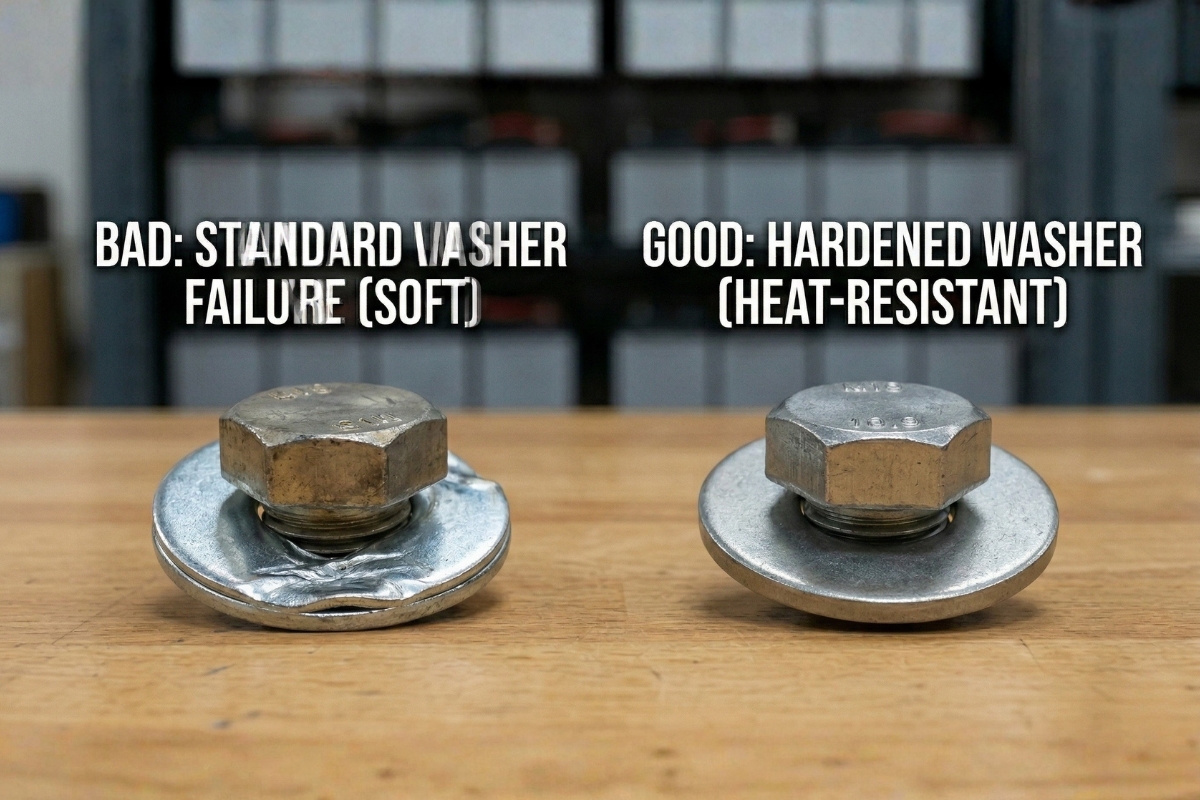
How to Prevent Heat Damage
Choose heat-resistant grades
Improve ventilation
Use lock nuts
Inspect quarterly
Industrial battery heat issues weaken fasteners long before frames fail.
Using M10 grade 10.9 bolts, SS304 bolts, flat washers, and lock nuts maintains joint strength in hot battery rooms.
If bolts are soft or stretching, heat damage has already started.
Engineering Truth
Heat silently reduces strength before failure.